Introduction to mythology
Expressing myths
|
The many myths of Greek mythology were expressed and handed down in a range of ways. In their earliest incarnations, myths were passed down through orally storytelling. Over time, new forms of expression emerged, such as visual art and written works. 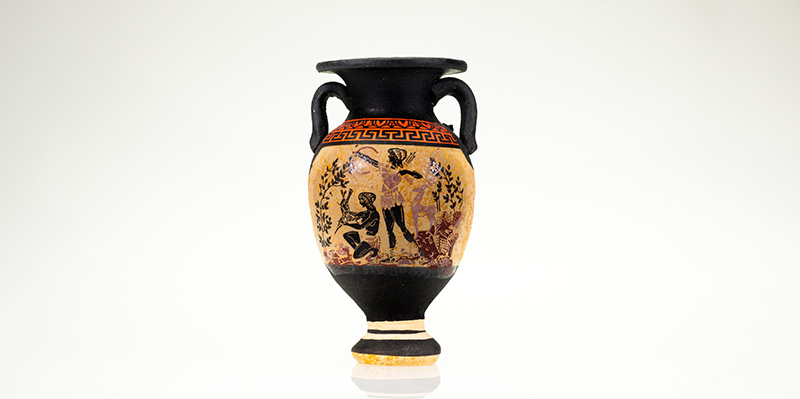
Adapted from david john abrams / Shutterstock.com By the time the ancient Greeks emerged from the Dark Age c. 800 BCE, they had adopted many different forms of artistic expression from neighbouring cultures. Over time, they advanced the techniques of these art forms, giving them the Greek identity that makes them so famous today. By the end of the Classical Age (c. 323 BCE), the Greeks were using many different mediums to chronicle their myths, including:
While we will look at almost all of these at some point in the year, for this first outcome we will focus on the epic poem. |