Introduction to mythology
|
When we look back on ancient cultures across the world, there are many differences between them. However, one feature that we find common to many of them is that at the centre of their culture are stories of gods and extraordinary beings. These ancient stories served to explain the workings of the physical world, while also expressing ideas and values that were important to these cultures and their continued survival. It’s important to note that these ancient stories were not fixed products in the same way that a novel or film is when it’s released today, and they did not belong to a single author. Instead, these stories were the collective property of their culture and were passed from generation to generation, adapting over time as the needs and values of the society evolved. These collected stories interwove with one another, much like the shared universes that are common in storytelling today – such as the Marvel Cinematic Universe (MCU) and the Monsterverse – creating a rich tapestry of heroes, monsters and gods. 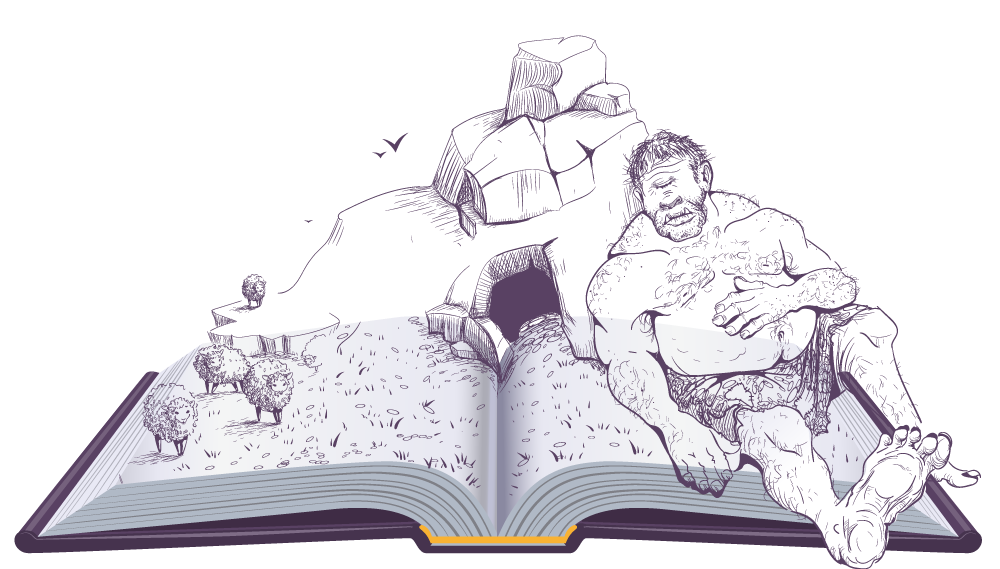
Adapted from ALEXEY GRIGOREV / Shutterstock.com Today, we look back on these collections of stories from ancient peoples and call them myths. The word ‘myth’ comes to us from ancient Greek and means ‘story’ or ‘narrative’. You have probably come across some ancient mythologies at some point, such as the Norse, Egyptian or even the Greek myths that form the foundations of Classical Studies. While we tend to think of these collected myths as entertaining fictions, much like a fairytale or the latest novel from your favourite author, for the people who spawned them, they were true as any religious belief held by a modern believer or even as true as a scientific theory is to a scientist. For these ancient peoples, these collected tales were the bedrock of their intellectual, cultural and spiritual knowledge. Much like any of the major religions, philosophies or sciences active in the world today, these stories provided answers to many of the important metaphysical, ethical and existential questions that occur to all people at some point in their lives, such as ‘Why is there something instead of nothing?’, ‘Why is there evil in the world?’ and ‘What should I do with my life?’ In answering these questions, the collected stories provided people with a sense of shared heritage and identity, along with a set of values and ideas that promoted social cohesion and order. Next we will turn our attention to Greek mythology to try and understand some of the underlying principles and beliefs that we will be wrestling with throughout the year as we dive into the Greek worldview. |