Historical overview
Archaic Age
|
Around 800 BCE, we enter the Archaic Age. You will learn more about this period in the coming weeks, but below is a brief overview.
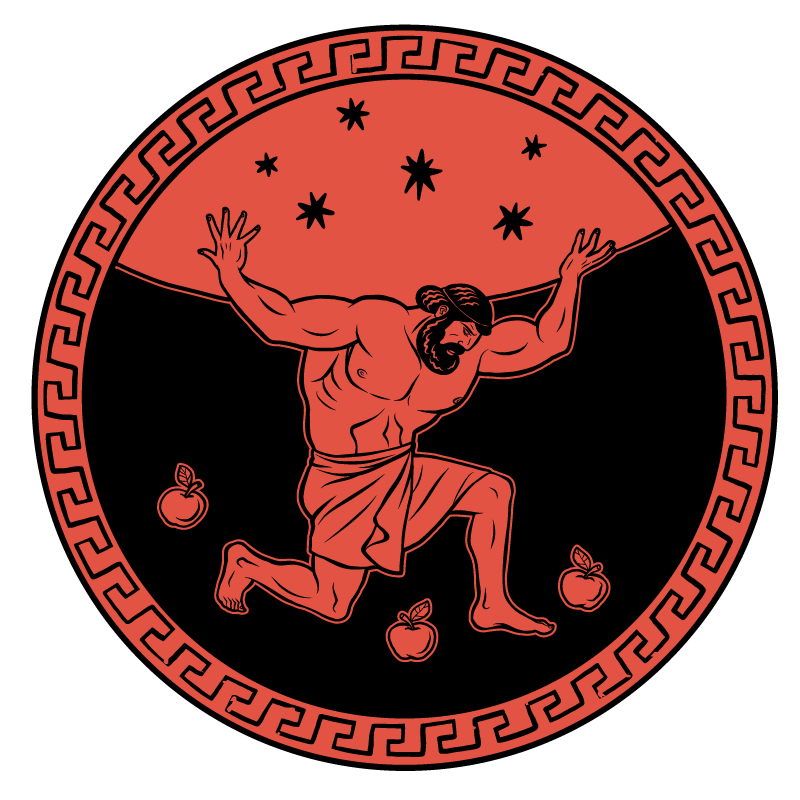
rogistok / Shutterstock.com Much like the later Europeans would at the end of their Dark Ages, the Archaic Greeks looked back to a better time in their history to find inspiration and direction. They found this in the orally transmitted stories they had of the Mycenaeans. Given the nature of orally transmitted stories, the legend of the Mycenaeans had grown in the telling, making them take on near god-like qualities. Thus, with the help of figures like Homer and Hesiod, the Mycenaean period became associated with the Age of Heroes – a mythical period, traditionally described as spanning six generations, in which Heracles, Jason, Atalanta and many others were thought to have lived. During their lives, these heroes faced off with monsters, tyrants and even gods (though they were not always victorious), winning for themselves adventure, wealth and glory. The stories of these legendary heroes inspired the Greeks for hundreds of years, urging them to achieve their own great feats. Over the coming weeks, you will learn more about this mythology, as well as more in-depth information about the Archaic Age, all in preparation for our first classical work of the year, Homer’s epic poem: The Iliad. |