What is information?
|
Information is processed, organised or structured data that is meaningful and useful. While data refers to raw facts and figures, information is what you get when that data is interpreted, analysed or presented in a way that provides value and context. Data vs. informationData is the raw input, such as numbers, text or images. Information is what you get after processing this data to make it understandable and relevant. The data below is a series of numbers, but once it is formatted appropriately, it is understandable that it is a date.
Meaning and contextInformation adds meaning and context to data. It answers questions like 'who', 'what', 'when', 'where' and 'why'. For example, a list of numbers (data) becomes information when you know those numbers represent student test scores from a particular class. UsefulnessInformation is valuable because it can be used to make decisions, solve problems and increase knowledge. For instance, knowing the traffic data on a specific route helps decide the best travel time. ExamplesWeather data: Raw temperature readings collected from various sensors are data. When those readings are compiled and reported as the weather forecast, they become information. 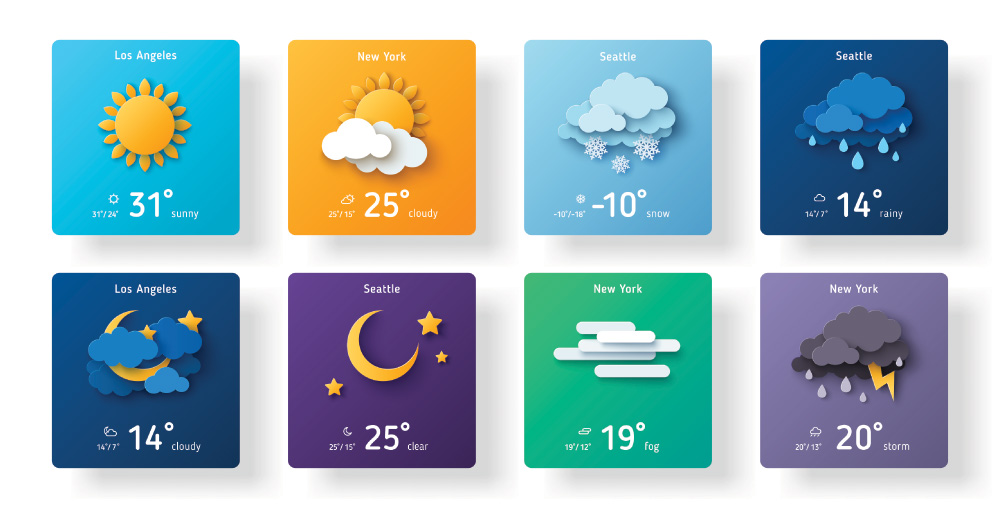
kotoffei / Shutterstock.com Survey results: Responses from a survey are data. A summarised report showing customer satisfaction levels is information. Sales data: A spreadsheet with raw sales figures is data. An analysed report showing trends and identifying best-selling products is information. 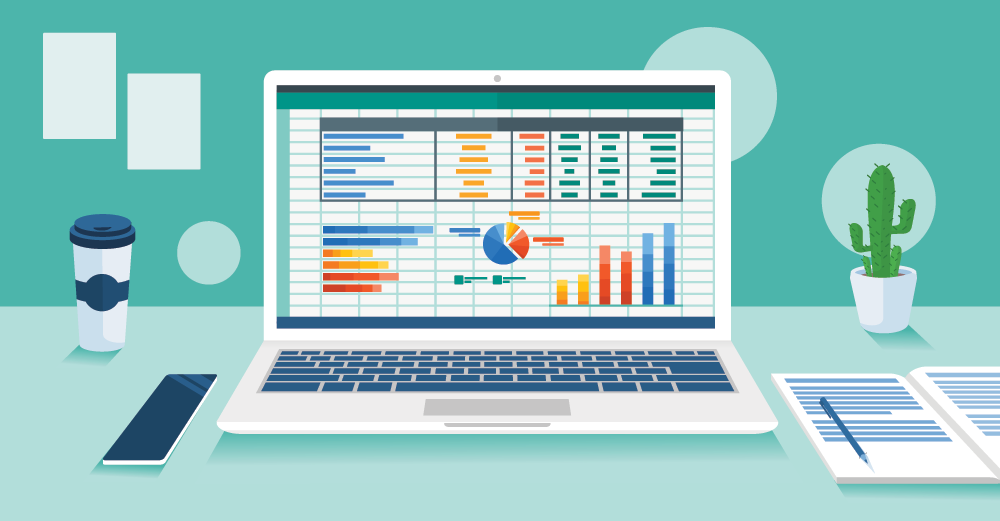
Menara Grafis / Shutterstock.com Information is data that has been processed in a way that makes it meaningful and useful for specific purposes, such as decision-making or problem-solving. |