Victorian ecosystems

Barwon Bluff Marine Sanctuary
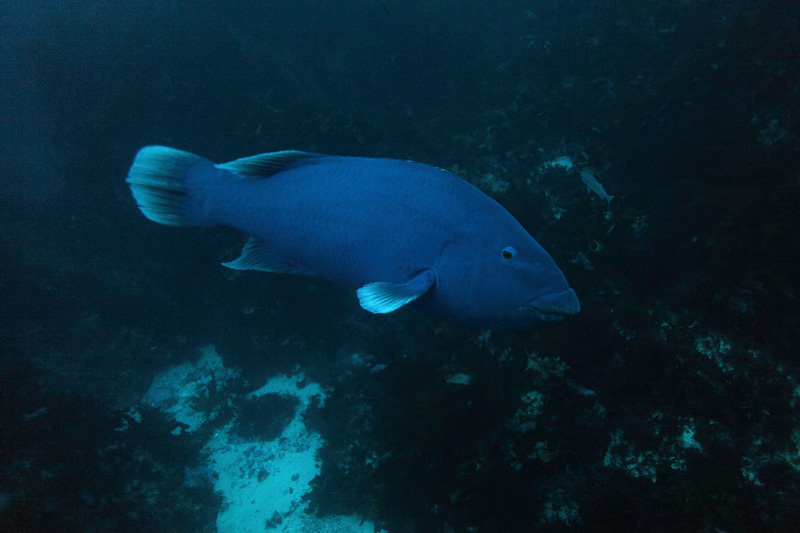
Western blue groper

Alessandro De Maddalena / Shutterstock.com

Barwon Bluff Marine Sanctuary, located at the mouth of the Barwon River in Victoria, is a rich and diverse coastal and marine ecosystem. The sanctuary lies within Wadawurrung Country and the First Nations people of this area have a longstanding cultural connection to this coastal environment.

The richness of the ecosystem here is due to a combination of living (biotic) and non-living (abiotic) factors that create a unique environment. The sanctuary covers 17 hectares and includes both sandstone and basalt reefs (Parks Victoria n.d.).

Key features of Barwon Bluff
  • The area is home to diverse plant and animal species. These occur in the marine environment, intertidal zones (where the ocean meets the land) and on land.
  • Visitors can enjoy activities like snorkelling, diving, bird watching, and walking along the beaches and rock platforms.
Living (biotic) factors
  1. Marine flora and fauna: The sanctuary is home to a variety of marine species, including kelp forests, sponges, crustaceans, and various fish species such as Western Blue Groper, Horseshoe Leatherjackets and Port Jackson Sharks.
  2. Intertidal communities: These include limpets, whelks, barnacles, mussels and sea squirts, which thrive in the rock pools and intertidal zones.
  3. Birdlife: The area supports various bird species that rely on the coastal and marine environment for feeding and nesting.

Read more at the Barwon Bluff Marine Sanctuary website.

Non-living (abiotic) factors
  1. Water availability and quality: Tidal movements and water quality are crucial for the survival of marine life in the area. The availability of clean, oxygen-rich water supports diverse marine ecosystems.
  2. Sunlight: Sunlight penetration affects the growth of photosynthetic organisms like kelp and algae, which form the base of the marine food web.
  3. Temperature range: The temperature of the water influences the types of species that can survive in the sanctuary. Many marine organisms are adapted to specific temperature ranges.
  4. Substrate: The seabed, which here includes sandstone and basalt reefs, provides habitat and surfaces for marine organisms to attach and grow.
  5. Exposure to winds and waves: The level of exposure to winds and waves affects the distribution and types of organisms that can live in the area.

All these factors together create a dynamic and complex ecosystem at Barwon Bluff Marine Sanctuary, supporting a wide range of marine life and contributing to its biodiversity. 

Have you had the chance to explore any of these features in person?