Environmental energy
|
For Environmental Science students like you, understanding how energy moves and changes form is particularly important, as it underpins many processes that shape ecosystems, influence climate patterns and drive natural cycles. All of the changes that happen in the universe depend on energy. To cause a change, energy may also change form (like heat energy being converted to sound energy as an old-fashioned kettle boils). |
|
Can you think of any forms of energy right now? Maybe it is a hot day and you are feeling heat energy, or you can hear sound energy escaping from your laptop as electrical energy is used. Write down your observations in your notebook. |
|
By understanding how energy impacts the environment, we can more effectively analyse human influence on natural systems and explore sustainable solutions for the future. 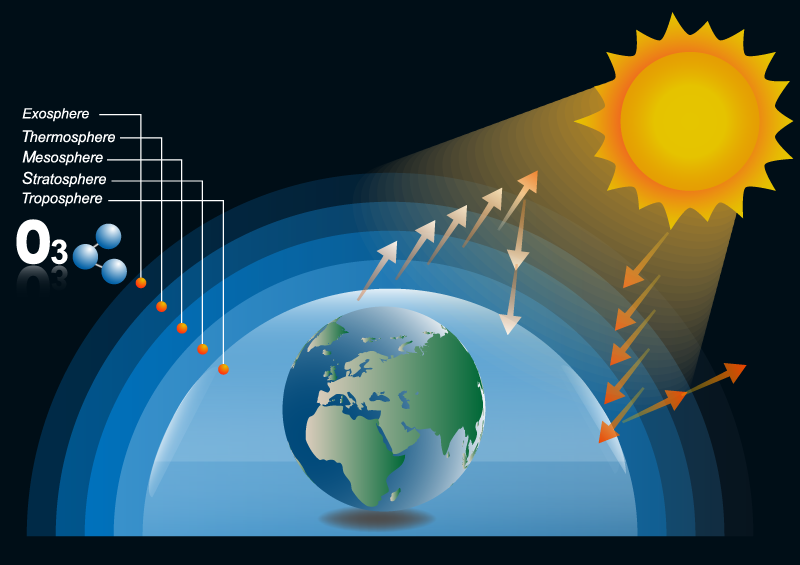
Adapted from Crystal-K / Shutterstock.com Later in the course, we'll examine solar radiation – specifically how sunlight is absorbed or reflected back into the atmosphere by various surfaces. This focus on energy transfer is fundamental, as sunlight not only powers natural processes but also influences our day-to-day existence. Without energy from the sun, you wouldn’t be reading this now; that energy has travelled through the environment and ecosystems, arriving in forms we can use and transfer continually as we engage with it. The principle of energy conservation states that energy is neither created nor destroyed. Energy may only transform from one type to another. |