Responding: Elements and concepts
|
As musicians, we often listen to music, but in this area of the course, we will look at how to use musical language to describe what we hear. You will actively listen to many different styles; describe how performers interpret the music; and you will compare different versions. This week we will write responses to pieces of music which we hear using musical elements and expressive devices. This is a requirement for both Units 3 and 4. When we bake a cake, we need different ingredients (think of these as elements). You might use self-raising flour, sugar, baking soda, cocoa, dark chocolate chips, eggs, butter and milk. 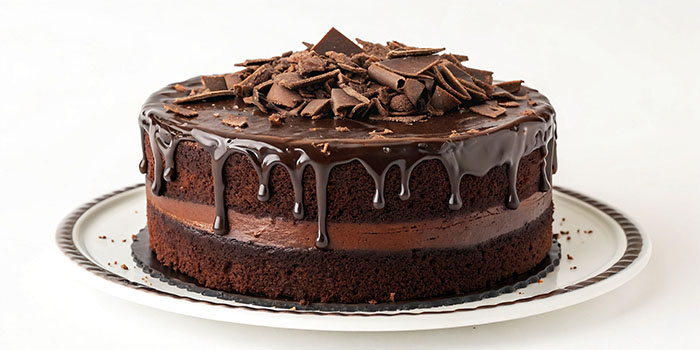
riazahmed124 / Shutterstock.com In order to respond to music, we also need to look at how the music is delivered through various elements. |
|
The following is a list of musical elements and related concepts as outlined in the Study Design: Melody (Pitch)The organised horizontal pattern of sounds or pitches:
Harmony (Pitch)Simultaneous sounding of more than one pitch and vertical organisation in music:
Tonality (Pitch)The organisation of pitches that establishes tonal relationships:
DurationOrganisation of sound and silence and their lengths in music:
DynamicsThe relative volume or intensity of a sound(s) or note(s):
StructureThe organisation of a piece of music on both a macro and micro level:
TextureHow sounds are combined, how they interact and function in a piece of music:
Tone colourThe characteristic quality of sound sources and their combinations:
ArticulationThe characteristic quality of sound sources and their combinations:
© Victorian Curriculum and Assessment Authority. For current versions and related content visit www.vcaa.vic.edu.au |
|
Download the Elements of Music PDF below to keep as a handy reference for the rest of the year. Download document
|