Factors that influence design
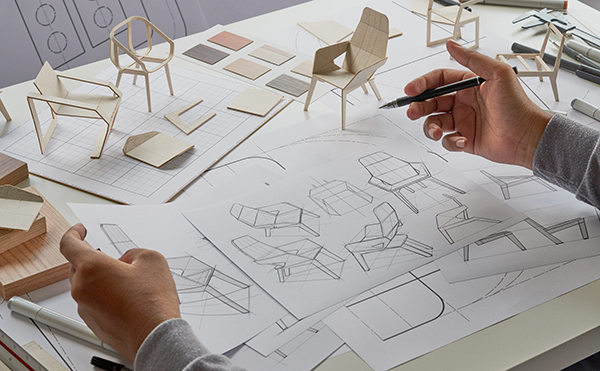
Chaosamran_Studio / Shutterstock.com There are a lot of factors we need to keep in mind when designing a product. In VCE Product Design and Technologies, the factors that influence design are a framework to propose product concepts, evaluate existing products, and use as a springboard to develop evaluation criteria. They each have a specific definition in this study, which you can read below. They are important knowledge for students considering Units 3 and 4 of Product Design and Technologies. |
|
From the Study Design: Need or opportunityIdentification of the purpose for, or of, a product. Considerations include the context and purpose for designing and how a product will be used. Needs and opportunities are identified from research and development, feedback from end user(s), new ideas and knowledge, and new and emerging technologies (including materials). In VCE Product Design and Technologies, the needs or opportunities that are explored must be real. FunctionThe purpose of a product that makes it fit-for-use for its intent. End usersThe human and / or non-human ‘consumers’ of the product for whom or what the product is intended. Considerations of the end users incorporates welfare that includes quality of life; quality of life encompasses culture and religion, emotional and sensory appeal, universal design, demographics, social and physical needs and trends, safety, accessibility, comfort, ergonomics and anthropometric data. AestheticsRelates to the product’s form, appearance and feel. Considerations include design elements and design principles. Design elements include point, line, shape, texture, colour (tone, transparency, translucency and opacity). Design principles of balance, contrast, repetition, movement/rhythm, pattern, proportion, asymmetry/symmetry, negative/positive space and surface qualities are used to combine and arrange the design elements. Aesthetics may relate to ethical considerations in design; aesthetics can influence quality of life. Market needs and opportunitiesDesigning innovatively and working entrepreneurially require a creative approach to develop new or improved design solutions to unsolved problems or new needs or opportunities. Product lifecycleThe resource inputs that span a product’s manufacture; this includes sourcing of materials, useful life and the impact of disposal / reuse. Technologies: materials, tools and processesTechnologies include those materials, tools and processes that are traditional as well as ones that are new and emerging. Materials are selected for use based on their appropriate properties (their performance and behaviour, both chemically and physically under certain conditions) and desirable characteristics (such as visible features). Ethical considerations in designEthics in design is concerned with enabling both individual values (such as more time with family and friends) and public values (such as a fair and just society). This can be realised through products that reflect and enable an end user’s values, or by working towards social goals such as belonging, access, usability and equity for the disadvantaged. Inclusive design processes can enact respect and concern for humans and non-humans. Ethical considerations encompass sustainability. Sustainability and other ethical considerations are concerned with human and non-human welfareand aim at positive impacts and minimisation of harm in regard to what is made and how it is made, for both present and future generations. Ethics can also involve legal responsibilities. The legal aspects of product design include intellectual property (IP), which refers to creations of the mind through intellectual or creative activities. Intellectual property includes copyright, patents, trademarks and registered designs. Australian and International (ISO) standards, regulations and legislation (including OHS) are other legal responsibilities. Products must be produced safely and be safe for the end users. © Victorian Curriculum and Assessment Authority. For current versions and related content visit www.vcaa.vic.edu.au |