Generations
Karl Mannheim
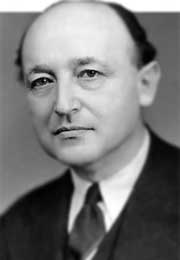
V. Moreno, M. E. Ramírez, C. de la Oliva, E. Moreno (CC BY-SA 4.0). Accessed 06 September 2023. Most sociological approaches to generations used today draw on the work and thinking of Karl Mannheim (1893–1947). Mannheim strove to understand how different groups of youth adopted and challenged the ideas inherited from their parents' generation. He wanted to understand how these groups could create new values and new political movements. Mannheim argued that the experiences people have during their early years can shape how they understand the world. In particular, significant historical events may influence the attitudes and outlooks of young people who experience them. For Mannheim, a generation is more than simply a group of people born around the same time. It is shaped by the historical circumstances its members encounter when they are young. When people of a similar age experience these events, they may develop a shared outlook and a sense of belonging to the same generation. Mannheim identifies late adolescence as a key period for the formation of social and political outlooks. If a major event occurs in the lives of a group of people at around the same period of late adolescence, they are very likely to acquire a collective consciousness. That means that this generation are grouped together based on their experience of a major event that has had an impact on their thoughts and feelings. Thus, the youth cohort forms a specific social identity that is a result of a common experience, which, in turn, influences the identity of the individual. For example, living through World War I fundamentally changed the young people who were directly part of the fighting. This war left a 'lost generation' to deal with the trauma, and they could not go back to living as their parents had. |