KGC - Distance
|
Distance may be considered in several ways. Absolute or linear distance is measured in units such as metres and kilometres. Relative distance considers other factors, such as the time required to travel from one location to another, the costs involved, or the convenience of the journey. Psychological distance refers to the way people perceive distance; for example, as familiarity with a place increases, it seems closer, while less familiar places seem more distant. Cultural distance relates to the degree of similarity or difference in attitudes and social norms; for example, countries such as Australia and the United Kingdom are distant in absolute terms, but may be perceived as close in terms of cultural distance. VCE Geography Study Design, p.6.© Victorian Curriculum and Assessment Authority. |
Understanding distanceAbsolute or linear distance is measured in units, such as metres and kilometres. Relative distance considers other factors, such as:
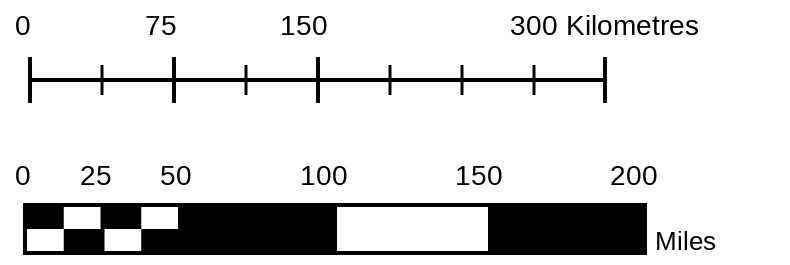
Think of when you use a Myki card to get from one place to another: Zone 1 to Zone 2 would be one price, and Zone 3 and beyond (in regional Victoria) would be a higher price, since you are travelling further. Psychological distance refers to the way people perceive distance. For example, as familiarity with a place increases, it seems closer, while less familiar places seem more distant. Cultural distance relates to the degree of similarity or difference in attitudes and social norms. For example, countries such as Australia and the United Kingdom are distant in absolute terms, but may be perceived as close in terms of cultural distance. Source: The above content is adapted from the VCE Geography Study Design, p.6 © Victorian Curriculum and Assessment Authority Absolute distanceAbsolute distance on a map is measured by the map scale, which may be shown in different ways:
|