Calculating surface area to volume ratio
|
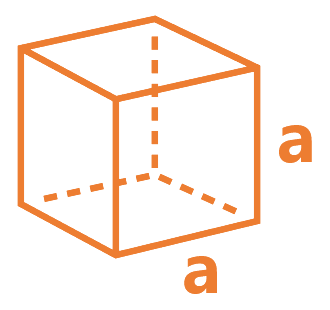
The surface area to volume ratio is a mathematical concept, so we are going to need to use a little maths to calculate it. The following video (4:06 mins) imagines cells as cubes and uses this analogy to calculate surface area to volume ratio (SA:V). Take note of what happens to surface area to volume ratio as cells increase in size, and what this means for a cell's ability to get rid of waste. How to calculate surface area to volume ratioCalculating the surface area to volume ratio of cells can be tricky as cells tend to change shape. This week, to make it a bit easier, we're going to pretend that cells, and the models we make of them, are square. Cubes, to be exact.
|
||||||||||||||||