Written versus spoken language
The major disruptor: E-communication
|
In the 21st century the internet, and all modes of e-communication – texting, social media, etc. – have created a major disruption between the 'formality' of the written word. So much more is written on the internet, and seen globally, and so much of this writing is unplanned, informal and seemingly transient. However, it will create a digital footprint that will outlast our lives. Linguists see this revolution as a so called 'divide' between speech and writing that seems to continuously disrupt, bridge or deconstruct through all the new modes of communication that the internet offers. David Crystal points out that the internet's attempts at conversation, over text for example, resembles a conversation but with the element of 'turn taking' removed. 'Turn taking' in face-to-face conversation occurs when people take it in turns to speak, handing the conversation back and forth using a range of linguistic and prosodic and paralinguistic features. People may use body language, like beginning to nod their head, or slightly raising their arms (a lot of these moves are unconscious) when they want to 'take the floor' – that is, take up the conversation from their interlocuter (i.e. the person they are speaking with). However, text messaging, while it can be a rapid-fire exchange of back and forth, loses this paralinguistic feature. Of course, live video chat doesn't. Still there is the few seconds delay that, I'm sure most of you have experienced, often disrupts our ability to time our social cues, and correctly read and respond to social cues. How many of you have started talking when you thought it was your turn to speak over video call, only to realise that someone else also thought it was their turn? Yet the internet's language, or 'e-communication' as we call it in this course, has been incredibly adept at bringing in new forms of language that compensate for the fact that body language is absent, or lagging over internet mediums. Many linguists, such as Gretchen McCulloch and Australia's own Lauren Gawne have argued that the ever-expanding lists of emojis available to us function in a 'gestural' fashion – in prosodic (groans, laughs) and paralinguistic (shrugs, face smacks) ways. We can easily show our anger at a situation with the angry face emoji, or we can accept the compliment of someone with a blush! Where writing initially removed the 'body' from its space, (writing is typically a disembodied act, even if writing such as poetry or drama does evoke strong emotions), McCulloch and Gawne argue that emojis are 're-embodying' writing in a range of interesting ways. These gestures imitate the functionality of bodily gestures that have been around for centuries – such as the up yours 'one finger salute' (impressively known in Latin as the 'digitus impudicus') which was considered rude even back in ancient Rome. 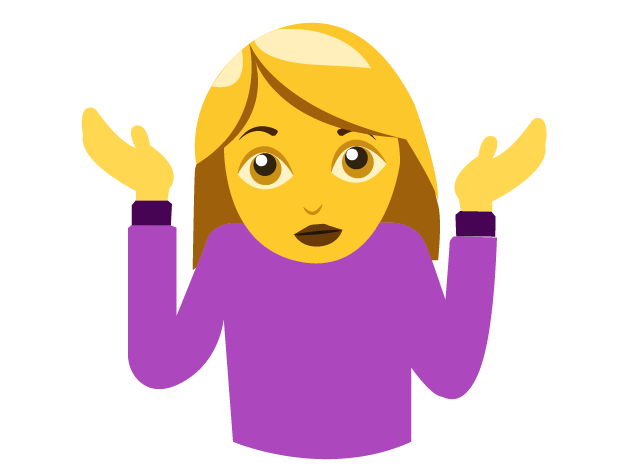
Valentina Vectors / Shutterstock.com 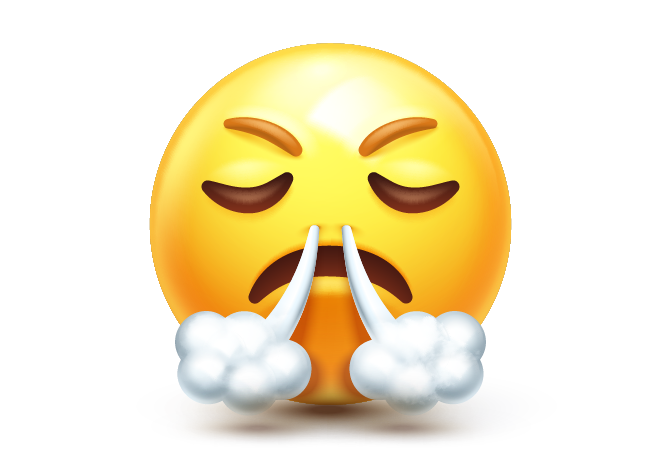
Yefym Turkin / Shutterstock.com Read this interview with Gretchen McCulloch, which will help you understand more of her book Because Internet: Understanding the New Rules of Language. |