How should we live?
|
This is a concept building page which means that facts will not be assessed; however, the concepts are important. Main points:
It is likely you have an opinion on whether or not religions are helpful in informing humans about how to live, and particularly, whether they are a force for good in the world or the cause of violence and conflict in the world. These are important concepts discussed in many different ways. Let's look at some diverse opinions: 1. Freud's perspectiveSigmund Freud (1856–1939), who is considered the founder of psychology, thought religions were necessary to control our innate aggression, jealousy, deceit, and inclination for murder and rape. This is despite Freud being an atheist and perceiving religious belief as delusional. 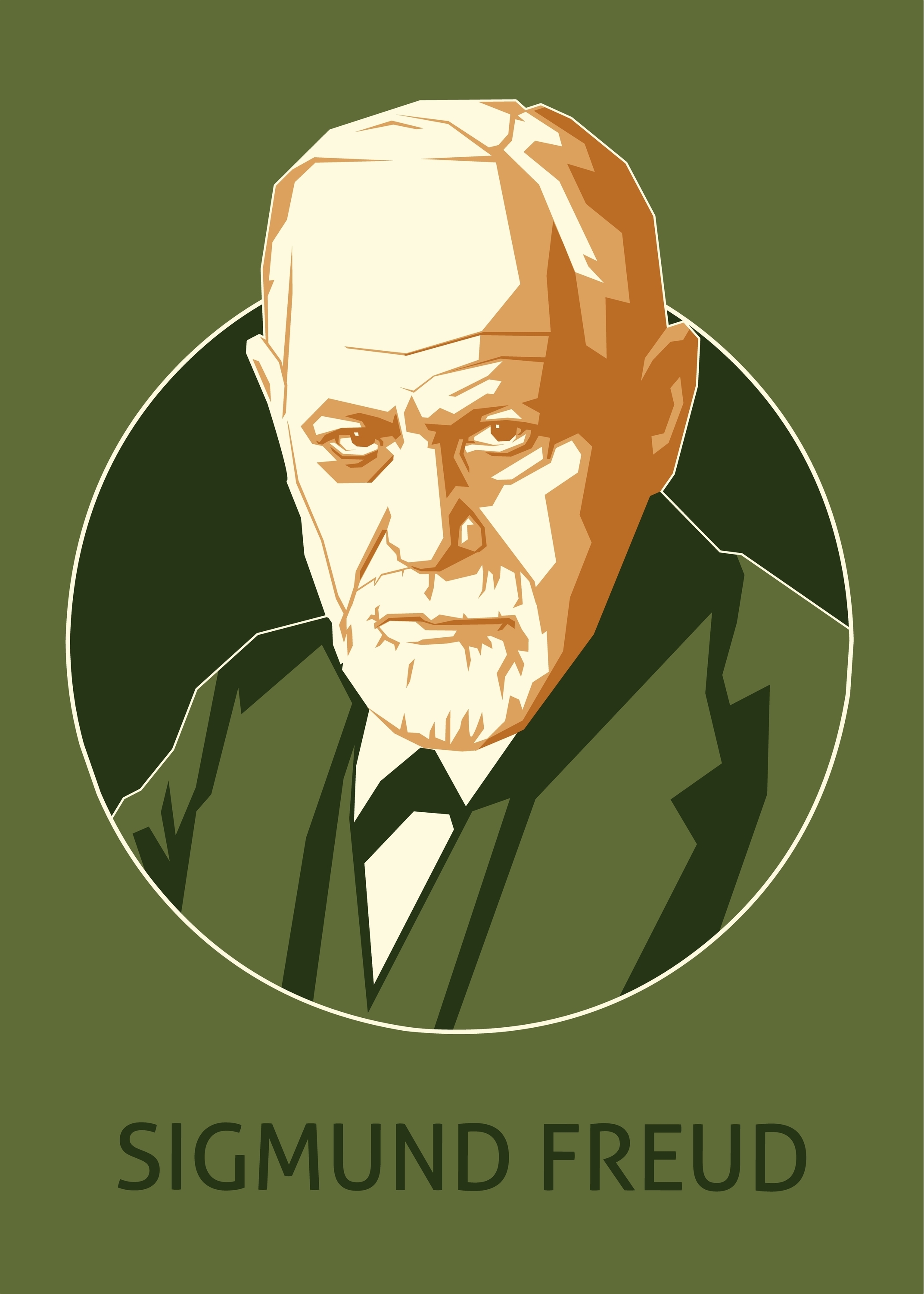
Mei Zendra / Shutterstock.com 2. Hitchens's perspectiveIn his book God Is Not Great, Christopher Hitchens (1941–2011) concludes that religion is: |
|
... violent, irrational, intolerant, allied to racism and tribalism and bigotry, invested in ignorance and hostile to free inquiry, contemptuous of women and coercive toward children. Source: Hitchens, C. (1 August 2008) God Is Not Great, Allen & Unwin, Kindle edition. |
|
Hitchens claims humans devised ethical standard prior to the existence of religions. Some residue of these ethics are still evident in religions but, overall, religions poison societies. Despite his vitriolic words against religions, Hitchens had strong friendships with many religious people, sustained by his willingness for conversation. 3. The idea that religions are not to blameIt is argued by some people that it is the misinterpretation of religions and corrupted manipulation of religions in the pursuit of power that causes some members to behave badly. 4. The idea that most religions are innately bad but not 'my' religionIt is argued by some people that it is other religions, which are mistaken beliefs, that lead to bad behaviour but that any use of violence or intolerance in 'my' religion is necessary and honourable. 5. Although religions can support violence, they devised the ethics of compassion and universal loveKaren Armstrong (1944–), a highly respected scholar of religions, claims that for most of human history all people adhered to a religion of some type, so of course violence was used in the name of religion.
However, she also asserts that the notions of universal love and compassion and stern restrictions on violence emerged through religions, possibly starting in India more than 2,000 years ago. |
|
Consider these questions for discussion in the Online Lesson:
|
Some common ethical codesMost major religions have promoted a set of ethics that help their members live harmoniously together. This includes:
A similar overall command to love others as you love yourself has been located in several religions. A common label for the command is the ‘Golden Rule’. 
Tenzin Tenkyong / Shutterstock.com |
|
The Golden Rule in many religions
|