Competing worldviews
Political worldviews
|
Students will not be assessed on diverse political systems; however, you do need to understand that:
Political systems that are based on religious beliefTwo examples:
'Religion and politics should not mix'This old saying warns that religious influence on politics can lead to dogmatic intolerance. However, all major religions have attained their influence by also having substantial political power in the past. Most would like to regain it. |
|
Are you aware of a situation where a religion or religious group agitated to gain more political influence?
|
Political power = a monopoly on violenceHistory features countless murders, wars and genocides ordered by leaders who claim their authority comes from a divine origin, God or gods. All major religions have a bloodstained history! The combined use of divine authority and violence allowed religions to expand their territory, end rebellions and eliminate people of rival religions. 20th century solutions Given the history of religious violence, solutions were sought to limit their influence. Lets look at one of them: Secular liberalism is a political ideology that does not allow any one religion to determine political decisions. It also promotes individual freedom and disallows religions to use force to control members. In theory, Australia promotes secular liberalism (although the extent to which it achieves this is disputed). The struggle for religions in a secular society
|
|
Do you think it is difficult for religions to retain members in a secular society? |
MarxismMarxism claims the cause of suffering is due to wealthy people oppressing the working class, keeping them in dire poverty, ignorance and misery. Many Marxists claim religions help to oppress people through their systems of authority and by teaching them to endure their suffering by a promise of reward in the afterlife. Marxists claim the poor need to revolt against these injustices, using violence if necessary. 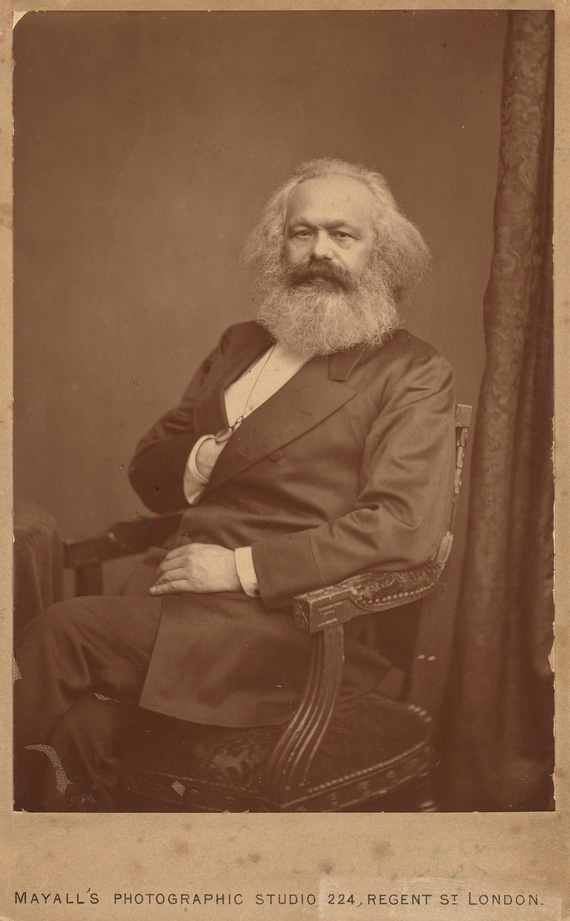
Rawpixel.com / Shutterstock.com |