|
Military power
Military power is the influence a state can derive from maintaining and deploying its defence capabilities. Although military power is generally associated with hard power, the existence, deployment and activities of armed forces can also affect how other actors perceive a state's capabilities and willingness to act.
We will look at more traditional military power when we are
examining international relations.
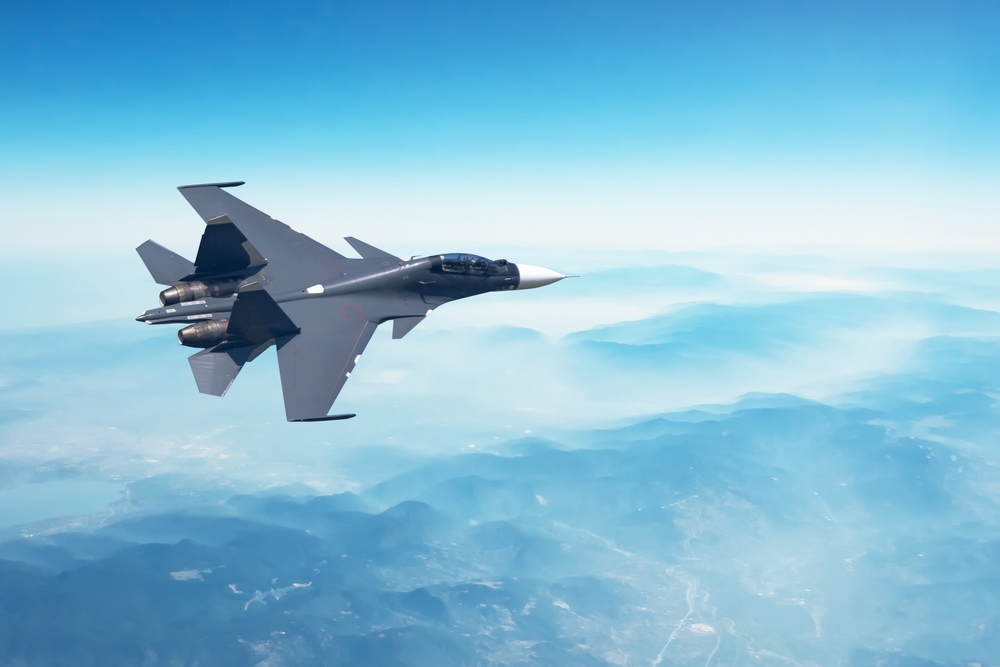
aapsky / Shutterstock.com
Case study: Military power – Australia’s defence as
domestic influence
Military capability and cooperative influence: Avalon Air Show (biennial)
- The Avalon
Air Show in Victoria is one of the Southern Hemisphere’s largest
aerospace events and is deliberately used to showcase defence
capability and strengthen international ties.
- The 2025
show featured international delegations, industry engagement and
military aircraft demonstrations which, according to the Department of
Defence, 'strengthen South-West Pacific ties' and support
collaborative networks in defence and aerospace.
- This
event operates as soft military power. Rather than coercion, it projects
capability, fosters diplomatic engagement and supports industrial
cooperation across the region. It blends defence display with broader
networking and interoperability signalling.
Domestic influence: Defence response to bushfires
(January 2026)
- In January
2026, severe bushfires impacted Victoria, prompting a significant
deployment of the Australian Defence Force (ADF) to support civilian
responders.
- Under
the State Emergency Management Plan (SEMP), the ADF’s role includes
logistics, aviation, engineering and specialist support to state
emergency services in natural disasters.
- The
federal government’s National Situation Room confirmed ADF support
to affected communities, demonstrating how the military’s capability
and capacity to respond rapidly can influence outcomes without use
of force, providing resilience and reassurance.
- The
ADF’s involvement in bushfire response strengthens civil–military
cooperation and public confidence, showing military power as an
instrument of service and support rather than coercion.
Disaster readiness and defence planning
- The
ADF’s role in disaster response is part of broader national risk
assessment. Defence contributions to climate-risk assessments integrate military
logistics and response capacity into planning for climate-related
disasters.
- This
enhances Australia’s domestic emergency resilience and signals to partners
– states and federal agencies – that defence assets can be a strategic
tool in non-military crises, shaping expectations and planning across
jurisdictions.
The essential point:
While military power is often associated with hard
force, Australia also uses its defence capacity in soft and cooperative ways –
hosting international events like Avalon to deepen partnerships, and deploying
forces domestically to support communities during crises. These actions expand
influence not through coercion, but through presence,
capability, service and collaboration.
|